
Planning guide / 01
Indoor Scavenger Hunt Printable: How to Adapt the Game to Your Space and Group
A checklist, object search or clue chain: choose the structure that fits your rooms and group.
Read the guideAdjust this page's display. Choices stay in this browser.
We use Google Analytics only if you choose Allow. You can read the site without it and change your choice later. Read the Privacy Policy.
Guide index
These three guides help an adult compare a format, prepare the materials and review the choice before use. They are articles, not printable files or a resource catalogue. Choose the decision you need to make:
01 / Read next
Planning guide / 01
A checklist, object search or clue chain: choose the structure that fits your rooms and group.
Read the guidePlanning guide / 02
Compare the grid, theme and calling method before preparing a round.
Read the guidePlanning guide / 03
Inspect the visible task, instructions and layout rather than relying on an age label.
Read the guide02 / Planning article
Planning guide
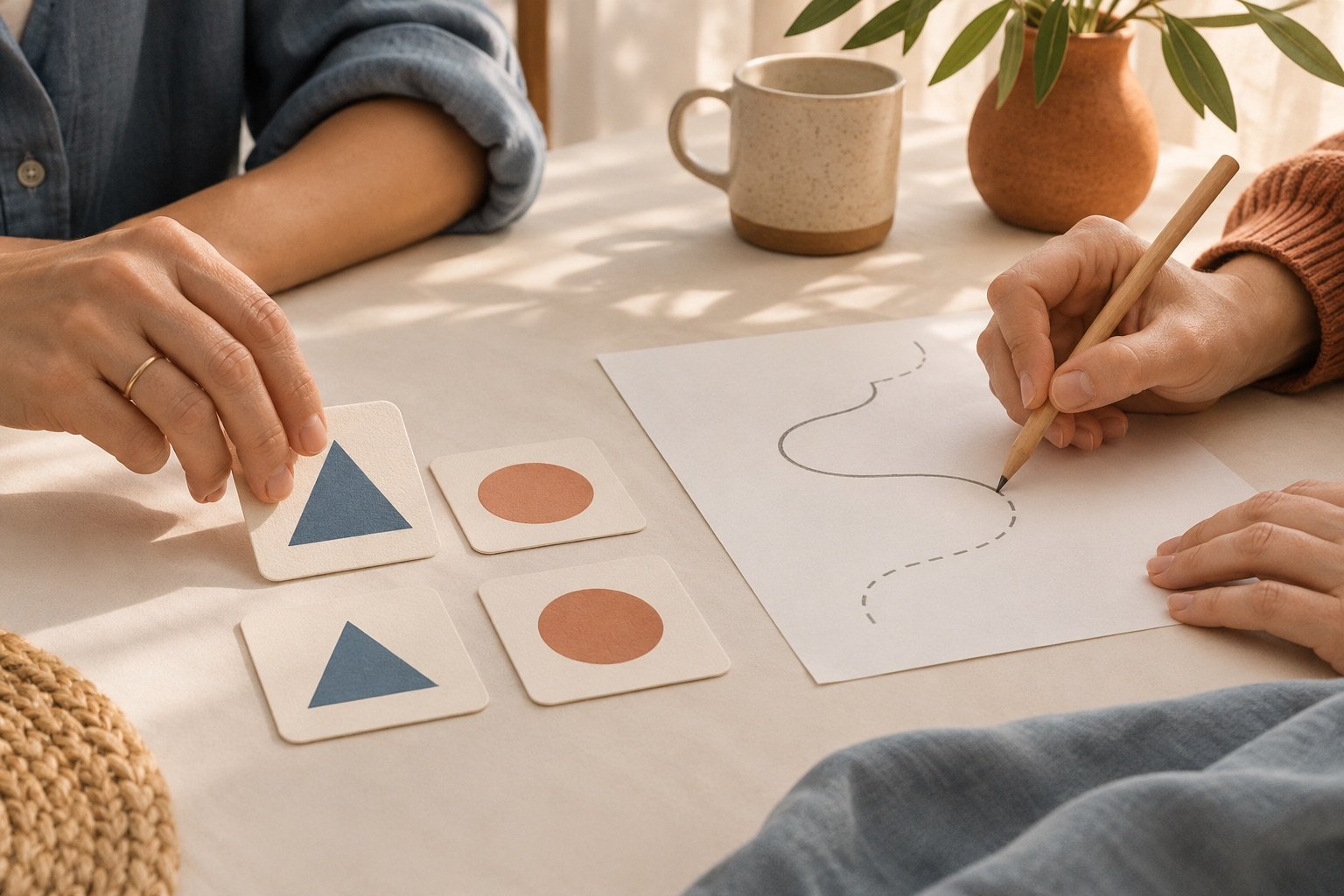
Compare matching tasks and path puzzles by what participants do, the instructions, space and materials needed, then check a candidate page before use.
Read the articleStart with the three guides below. As new activity and game articles are published, they will appear here alongside these starting guides. Every entry should tell you what choice it helps with before you open it.
Decision: Which search structure fits the available rooms and the group? Read “Indoor Scavenger Hunt Printable: How to Adapt the Game to Your Space and Group” for checklist, object-search and clue-chain trade-offs, an adaptation table and a pre-start check. For a quicker overview, use Games & Scavenger Hunts.
Decision: Which grid, content type and completion rule fit the session? Read “Printable Bingo Cards: How to Choose a Grid, Theme and Play Variation” for a choice table and preparation check. The guide explains the decisions; it supplies no cards. See Printable Activities for the wider format comparison.
Decision: Which visible task features are suitable for the setting you have in mind? Read “Printable Puzzles for Kids: How to Choose a Format and Difficulty Without Guessing” for a feature matrix and a pre-use check. The guide supplies no puzzle or answer key. The Activities hub puts puzzles alongside other paper-friendly formats.
Start with the table, then examine the particular resource or activity you plan to prepare. Check its instructions, content, materials and answer or completion rule for yourself. If the first choice does not fit the setting, adjust one feature such as item count, grid density, clue count or the amount of facilitation. About Kite & Grid explains the editorial method; Contact is the intended correction route after it is verified.
Published articles
Planning article · 22 November 2026
Matching activities can look similar on a page while asking for different kinds of attention. Before using one, check what has to be paired, how many choices appear at once and how participants will show an answer. Those details matter more than the label on the sheet. Identify the relationship One activity may pair identical […]
Read article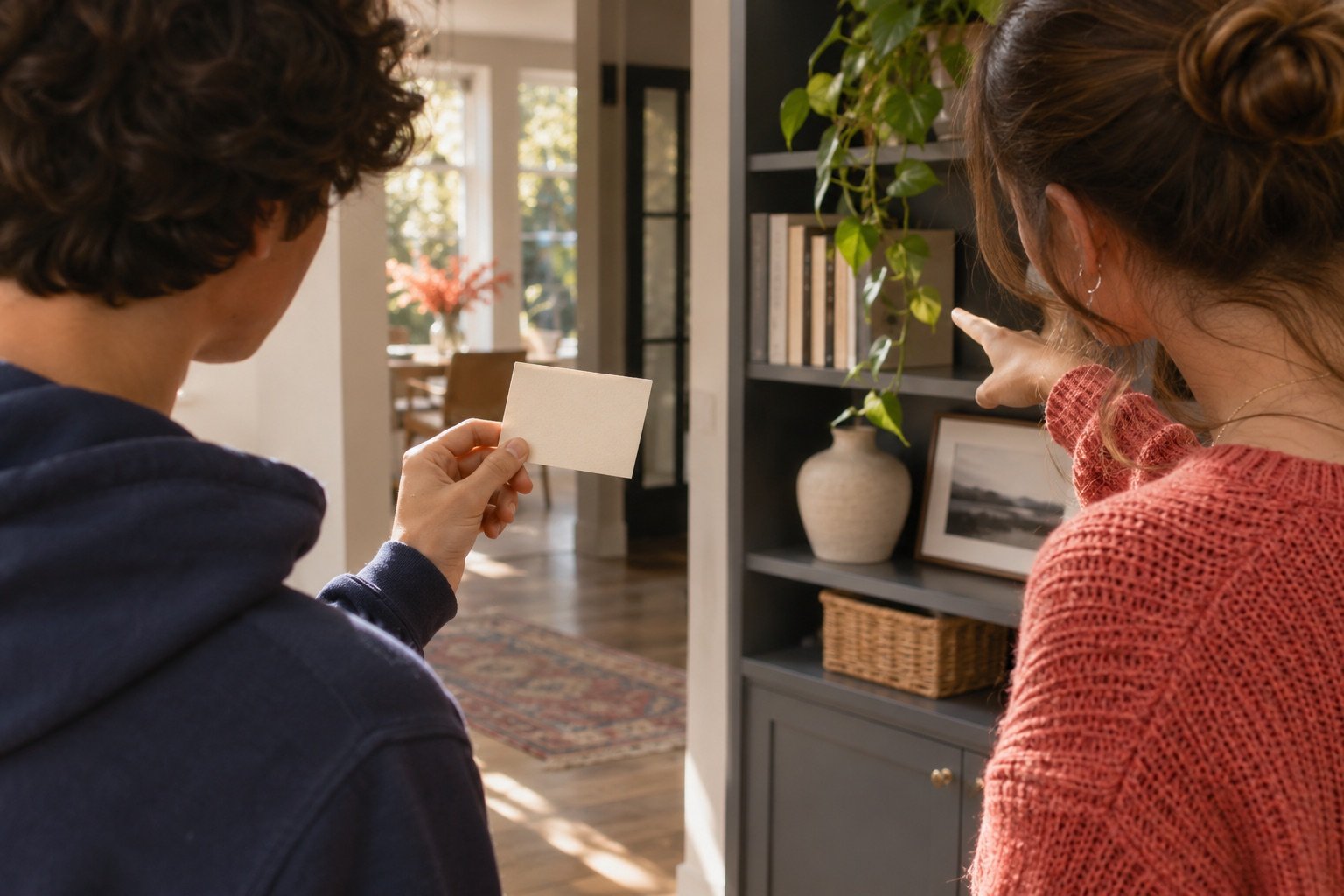
Planning article · 21 November 2026
A house hunt depends on clues that point to places players can actually find. Clever wording is welcome, but every clue still needs one intended answer. Start with the route and write the riddles only after the locations are set. Map the stops Choose a start, a finish and a handful of allowed locations between […]
Read articlePlanning article · 20 November 2026
A small room can still support a good party game. The useful question is how much space each player needs and what has to happen between turns. Choose a format that fits the actual furniture and group, then keep the rules short. Start with the room Look for the seats, walking routes and surfaces available. […]
Read articlePlanning article · 19 November 2026
A bingo night can be as small as one table. The most useful planning decisions are the grid, the calling method and the winning rule. Set those before inviting people to play, and you can keep the rest of the evening flexible. Choose a grid people can read Look at the cards you already have […]
Read articlePlanning article · 18 November 2026
A home scavenger hunt for teens works best when the route is clear, the clues are fair, and the group knows what counts as finishing. You do not need a premade download. A short list of locations and clues you write yourself can be enough. Choose the space before writing clues Walk through the rooms […]
Read articlePlanning article · 17 November 2026
Compare matching tasks and path puzzles by what participants do, the instructions, space and materials needed, then check a candidate page before use.
Read article