
Planning guide / 01
Indoor Scavenger Hunt Printable: How to Adapt the Game to Your Space and Group
A checklist, object search or clue chain: choose the structure that fits your rooms and group.
Read the guideAdjust this page's display. Choices stay in this browser.
We use Google Analytics only if you choose Allow. You can read the site without it and change your choice later. Read the Privacy Policy.
Section / Printable Activities
“Printable activity” describes a way to prepare and use material, not a single kind of task. A bingo round asks people to match or mark a grid. A puzzle asks them to solve a defined challenge. An observation game asks them to find or notice things. This page helps you compare those structures; it does not provide printable files.
01 / Read next
Planning guide / 01
A checklist, object search or clue chain: choose the structure that fits your rooms and group.
Read the guidePlanning guide / 02
Compare the grid, theme and calling method before preparing a round.
Read the guidePlanning guide / 03
Inspect the visible task, instructions and layout rather than relying on an age label.
Read the guide02 / Planning article
Planning guide
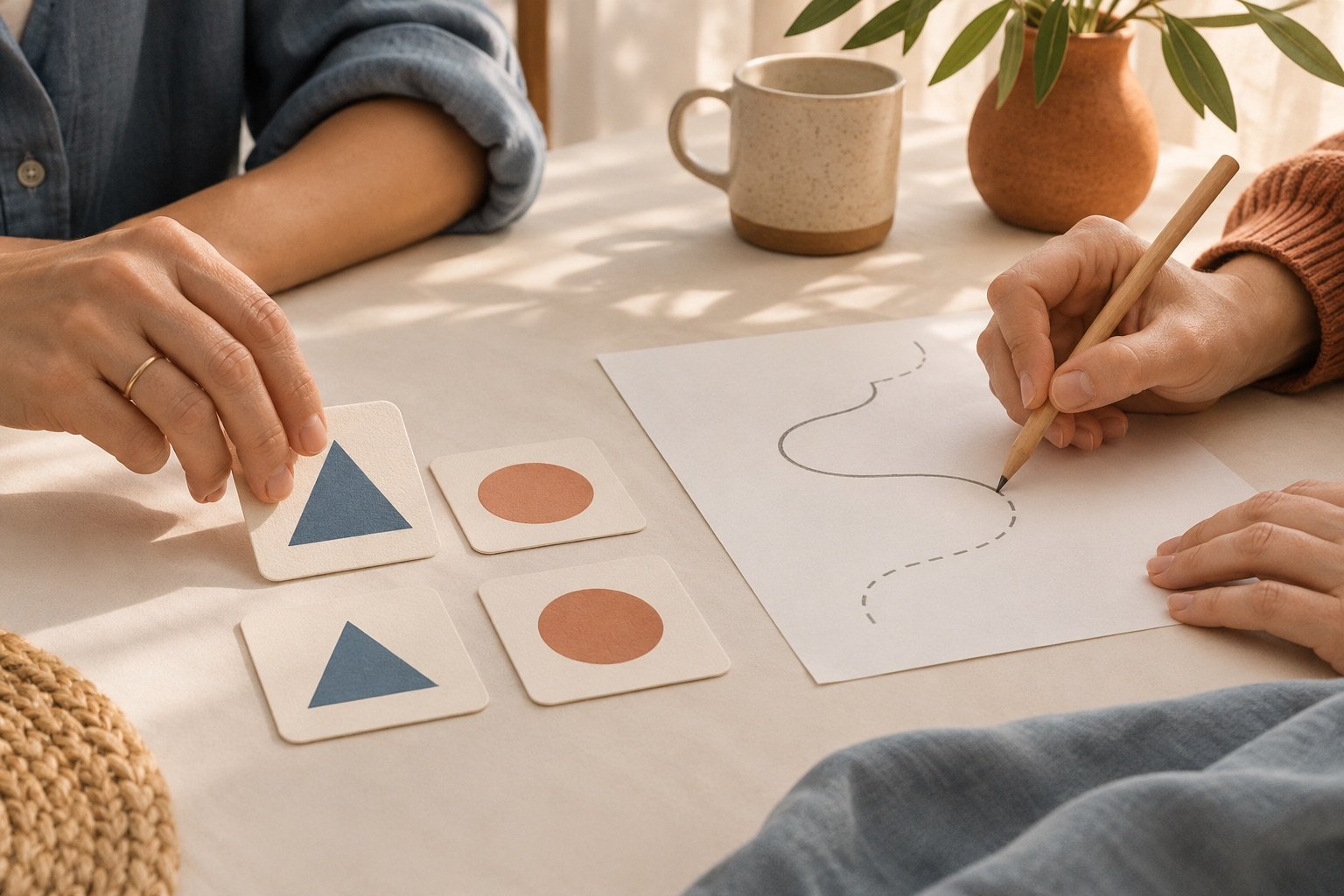
Compare matching tasks and path puzzles by what participants do, the instructions, space and materials needed, then check a candidate page before use.
Read the articleThese examples show what to inspect in a format. They are not activity files offered by Kite & Grid.
For an observation round, an organiser might prepare a small grid using four things that really appear in the room: a striped item, a round item, something made of paper and something that opens. Decide whether participants point first or mark as they go.
Check each space against the real setting; agree on the finish rule.
Bingo grid, theme and rule guide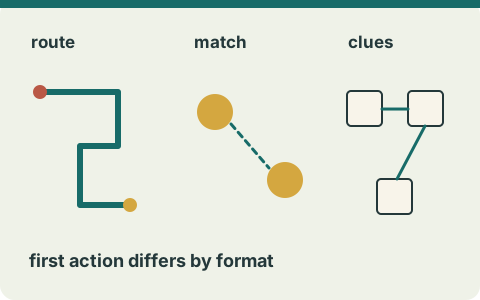
Compare two maze pages you already have: one with a clear start, finish and a few branches; another with a crowded route and many turns. Inspect the print size and first instruction before choosing.
Look at visual density and rule clarity rather than an age label.
Puzzle format and difficulty guide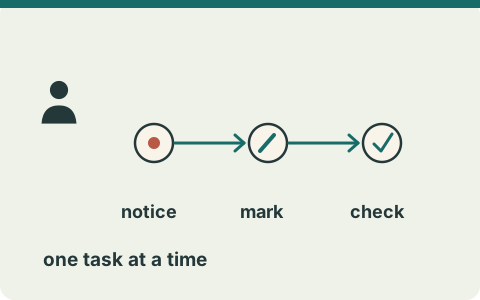
An organiser might make a page with one matching task, then a path task and then a short repeating-pattern task, or choose a page with that sequence from elsewhere. A participant can mark answers or point to them; the organiser should decide that response method in advance.
Check instructions, space to respond and whether a single person can use it without a caller.
Explore puzzle and activity features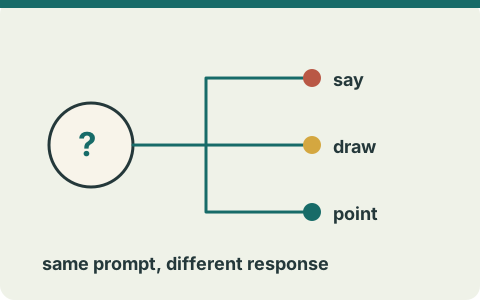
Instead of a grid, prepare three spoken or written prompts about the room: find a round object, describe one visible feature, then find another object sharing that feature. Decide whether answers are spoken, pointed to or marked.
Check that every prompt has a possible answer in the chosen space and that the response rule is clear.
Compare game and hunt structuresSolo, pair or group? Quiet table work or moving around the room? At home, on a journey, in a classroom or at a party? Choose one format by its actual task and facilitation needs; no format guarantees a particular response.
| Format to consider | Preparation to inspect | Participant task | Trade-off to notice |
|---|---|---|---|
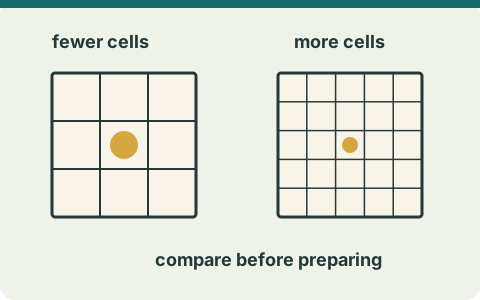
| Bingo-style grid | Content on each space, grid density, how spaces differ, marking method | Find or hear a prompt and mark a match | More spaces allow a longer sequence of calls or observations, but also increase the content you must prepare and explain. |
| Puzzle | Instructions, visible detail, clues and answer-checking method | Follow the puzzle’s rule and record or point to a solution | Dense layouts or more clues change the work; a shorter page is not necessarily clearer. |
| Observation checklist | What can be seen in the actual setting, boundary and completion rule | Notice or find listed things | It can use the room itself, but the list must match that room. |
For a game built around searching the setting, use Games & Scavenger Hunts. For a grid-led session, use the bingo choice guide. For a task led by clues, images or paths, use the puzzle choice guide.
At a table, decide whether people will work alone, share a page or wait for a caller. In a classroom or group room, decide how instructions and turns will be given and whether the same materials can be seen by everyone. For a party, decide whether there is a clear stop point or whether a round can be reset. These are setup choices, not claims about how a group will respond.
If you already have a candidate activity from another source, inspect its actual words, images and rules. Check that the marking tool, surfaces and any answer reference are available. The Guides index holds the three current deeper comparisons.
Have a correction about this comparison? The intended route is Contact once that channel is working.