
01 / Start here
Printable activities: choose the format first
Compare bingo, puzzles and observation games by what people actually do before choosing a format.
Explore this sectionAdjust this page's display. Choices stay in this browser.
We use Google Analytics only if you choose Allow. You can read the site without it and change your choice later. Read the Privacy Policy.
Choose · Set up · Check
A kitchen table, a classroom and a party room ask for different kinds of play. Kite & Grid helps the adult organising the session decide what to use, how to set it up and what to check before people begin. These are planning guides: the site does not supply ready-to-print activity files.

01 / Find a format
Choice and setup guides only; no printable files here.
01 / Start here
Compare bingo, puzzles and observation games by what people actually do before choosing a format.
Explore this section02 / Start here
Compare a checklist, object search or clue sequence against the rooms and group you have.
Explore this section02 / Go deeper
Planning guide / 01
A checklist, object search or clue chain: choose the structure that fits your rooms and group.
Read the guidePlanning guide / 02
Compare the grid, theme and calling method before preparing a round.
Read the guidePlanning guide / 03
Inspect the visible task, instructions and layout rather than relying on an age label.
Read the guide03 / More to explore
Planning guide
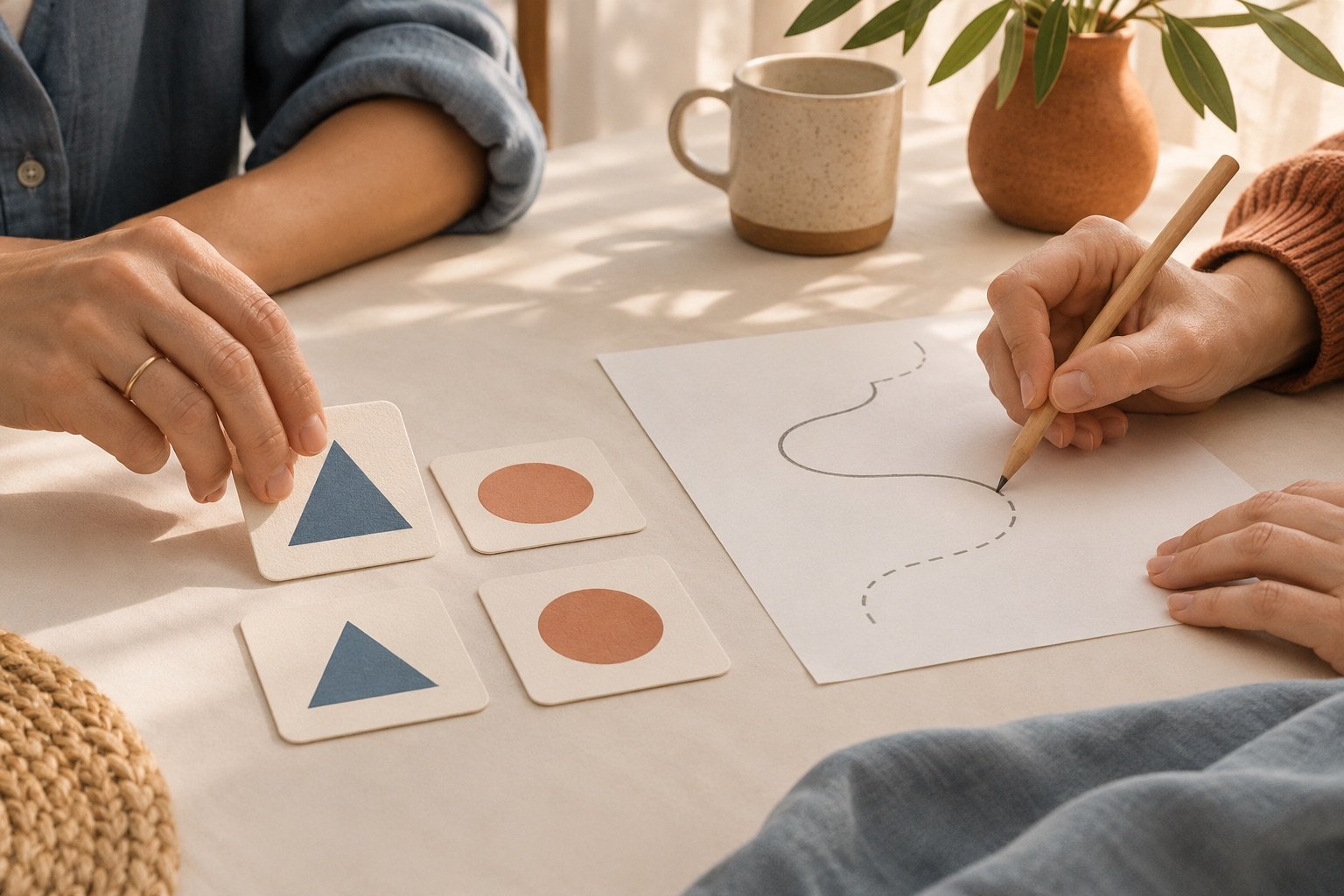
Compare matching tasks and path puzzles by what participants do, the instructions, space and materials needed, then check a candidate page before use.
Read the articleThese are small planning examples, not pages or cards supplied by this site. Choose one structure, then check the actual materials and setting before use.
Home · Travel
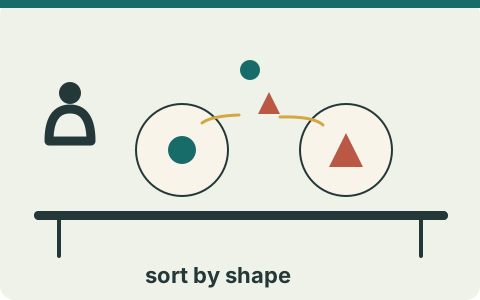
At a table or during a journey, one person could work through a short matching task or a path puzzle on a page the organiser has made or chosen elsewhere. Compare how much reading, marking and explanation that particular page needs before deciding to use it.
Compare printable-style activity formats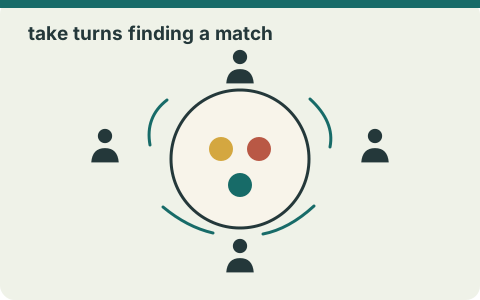
Classroom · Party · Home
A small group could play a caller-led bingo round: one person names a prompt while others mark a matching space on cards prepared elsewhere. Decide whether a line or the whole grid ends the round, and check that the caller's prompts match the cards.
Choose a bingo grid and rule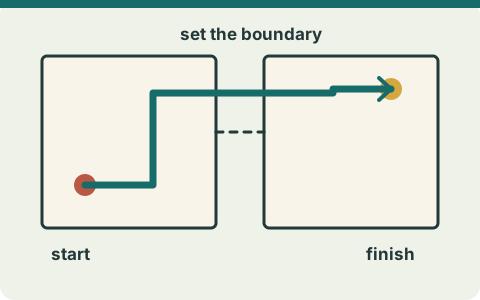
Home · Classroom · Party
In one room, an organiser might ask players to point to something patterned, something round and something that opens, marking each on their own short list. Check that all three prompts can be answered inside the agreed boundary before the round starts.
Plan an indoor scavenger hunt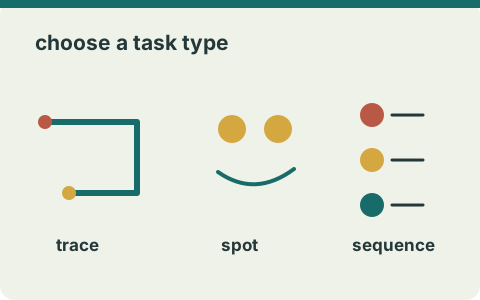
Home · Travel · Quiet table time
A single page could combine a row of shapes to match, a short path to trace and a simple pattern to finish. Choose or make the page yourself, then check whether its instructions, print size and marking space fit the session.
Compare puzzle and activity choices| If you need to decide… | Start here | What you can compare |
|---|---|---|
| Which paper-friendly format to prepare | Printable Activities | Bingo and puzzle formats, materials, reading or marking demands, and individual or shared use. |
| How to structure a game or search | Games & Scavenger Hunts | Search style, space, boundaries, group structure and facilitation. |
| Whether one specific subject fits | All three guides | The full decision and pre-use checks for indoor hunts, bingo and puzzles. |
Pick the constraint that matters first. Is space limited? Will one person explain the rules or will participants work independently? Are the prompts pictures, words or things to find? That answer gives you a more useful starting point than a broad list of ideas.
Indoor hunt. Choose between a checklist, an object search and a clue chain; then adjust boundaries, item count and group format. Read the indoor scavenger hunt setup guide.
Bingo. Decide on grid density, content and how a round ends before preparing cards elsewhere. Read the printable bingo cards selection guide.
Puzzles. Compare visible task features such as reading, writing, visual density and available hints rather than relying on an age label alone. Read the printable puzzles choice guide.
For the editorial approach and publisher, read About Kite & Grid. For a correction or enquiry, use the Contact page.